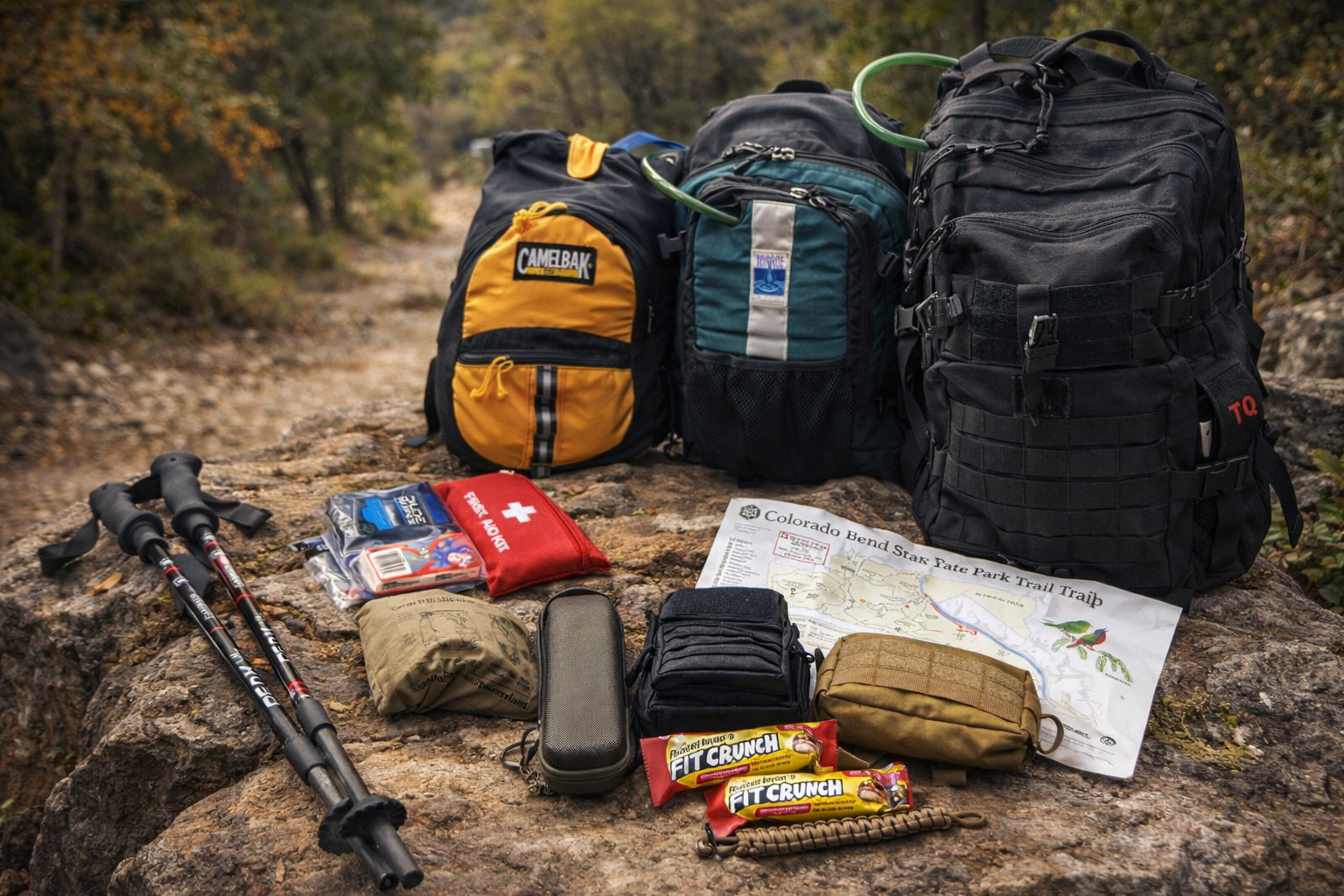
OGRanger Pathfinder – Episode 1
Preparedness isn’t about fear—it’s about freedom.
Whether you’re heading out for a short day hike, taking a quick road trip, or simply living in a world where natural disasters and unexpected emergencies can change everything in an instant, being prepared gives you options. And options are what keep small problems from turning into big ones.
In this first episode of OGRanger Pathfinder, we’re breaking preparedness down into three simple, practical layers:
- Day Hike Essentials – what you carry on your body
- Vehicle Emergency Kit – what stays with your car
- Bug-Out Bag (BOB) – what you grab when you need to move fast
Each layer builds on the last, without unnecessary duplication. Together, they form a complete system that helps you stay calm, capable, and confident—no matter where you are.
Layer 1: Day Hike Essentials
Lightweight gear for everyday exploration
Even a short hike can turn into an unexpected overnight stay if the weather changes, you miss a trail marker, or something goes wrong. That’s why every hike—no matter how familiar—deserves a basic level of preparation.
Your goal here is mobility and comfort, not overpacking. A small waist pouch or light daypack is perfect.
Survival Pouch Essentials
- Walking Stick
More than balance—it helps clear brush, test footing, and keep curious animals at a distance. - Hydration Pack or Water Bottle
Hydration is critical. Carry at least 1 liter, preferably 2 liters for short hikes, and more in hot conditions. - Trail Food
High-energy snacks like protein bars, jerky, or trail mix keep your energy steady. - Protection from Rain and Cold
A light poncho, emergency blanket, and seasonal items like gloves or a beanie can make all the difference. - Protection from Animals or Humans
A whistle, personal alarm, or pepper spray. In bear country, bear spray is essential. - Mini First Aid Kit
Bandages, antiseptic wipes, tweezers, and basic pain relievers. - Navigation Tools
A compass and a paper trail map. Phones fail—maps don’t.
Optional but smart additions: sunscreen, bug repellent, and a small flashlight or headlamp.
Keep these items organized and lightweight. This is your freedom kit—easy to carry, but capable enough to keep you safe. You can find Day Hike equipment through our Field Kit 01 on our GEAR page. Other Field Kits are linked in this blog.
Layer 2: Short Car Trip Preparedness
Because roads don’t care about your plans
A flat tire, sudden storm, accident, or road closure can leave you stranded for hours—or overnight. Your vehicle gives you more space, which means your emergency kit can be more complete.
This kit is designed for shelter-in-place situations, where staying with your vehicle is the safest option.
Vehicle Emergency Kit Checklist
1. First Aid & Health
- Full first aid kit (wraps, gloves, scissors, burn cream)
- Prescription medications and spare glasses if needed
- Hand sanitizer and hygiene wipes
2. Tools & Equipment
- Jumper cables or jump starter
- Tire repair kit and compact air compressor
- Multi-tool and duct tape
- Flashlight with extra batteries or hand-crank light
- Tow strap and folding shovel
3. Weather & Shelter
- Emergency blankets, extra clothing, gloves, and hat
- Poncho or rain gear
- Small tarp or compact tent
4. Food & Water
- Bottled water (rotate every few months)
- Long-shelf-life food: energy bars, MREs, canned goods
- Manual can opener
- Electrolyte drink packets
5. Safety & Defense
- Pepper spray or legal personal defense tool (check local laws)
- High-visibility vest
- Road flares or LED emergency beacons
- Car-rated fire extinguisher
6. Comfort & Communication
- Notepad, pen, spare cash
- Charging cables and solar power bank
- Battery-powered radio for updates if cell networks go down
Pro tip:
Use two containers—a small grab bag for immediate access and a larger tote or backpack for everything else. Organization saves time when stress is high.
Layer 3: The Bug-Out Bag (BOB)
Built for movement, not convenience
A Bug-Out Bag is different from a vehicle kit. While your car kit helps you stay put, a BOB is designed for mobility—what you grab when you need to leave quickly and survive on foot for several days.
This isn’t paranoia. It’s self-reliance.
Wildfires, floods, major storms, and extended power outages can all force rapid evacuation. A well-built Bug-Out Bag keeps you functioning until help arrives or you reach safety.
How a Bug-Out Bag Differs from a Vehicle Kit
- Vehicle Kit: heavier, more comprehensive, stays with the car
- Bug-Out Bag: lighter, streamlined, carried on your back
Every ounce matters.
Bug-Out Bag Essentials
1. Water & Filtration
- At least 2 liters of water
- Water filter straw or compact purification system
- Backup purification tablets
2. Food for 72 Hours
- Lightweight, high-calorie rations
- Freeze-dried meals or trail food
- Compact stove or solid-fuel burner
- Small metal cup or pot
3. Shelter & Warmth
- Lightweight tarp or bivy sack
- Emergency blanket or climate-rated sleeping bag
- Compact tent or hammock system
- Fire-starting tools: waterproof matches, ferro rod, tinder
4. Clothing & Protection
- Extra socks and base layers
- Rain jacket and hat
- Work gloves
- Multi-use scarf or bandana
- Sturdy boots if not already worn
5. Tools & Navigation
- Fixed-blade knife or multi-tool
- Compass and local map
- 50–100 feet of paracord
- Duct tape for repairs
6. First Aid & Hygiene
- Compact first aid kit with trauma supplies
- Toothbrush, biodegradable soap, wipes
- Toilet paper and sanitation bags
- Small towel
7. Light & Power
- Headlamp with spare batteries
- Solar charger or power bank
8. Self-Defense & Signaling
- Whistle and signal mirror
- Pepper spray or legal personal defense device
- Small handheld radio
Packing Philosophy
Think “survive and move,” not “camp and stay.”
Keep your Bug-Out Bag under 25–30 pounds if possible. You want to be able to carry it comfortably for miles.
Remember the Rule of Threes:
- 3 minutes without air
- 3 hours without shelter
- 3 days without water
- 3 weeks without food
Your BOB focuses on the first three.
The Three Layers of Preparedness
One system. No redundancy.
- Waist Pouch or Day Pack – for hikes and everyday exploration
- Vehicle Kit – for short trips and roadside emergencies
- Bug-Out Bag – for evacuation and independent survival
Each layer adds capability without unnecessary overlap. Together, they form a complete, adaptable system—whether you’re on a trail, stranded on the highway, or evacuating during a crisis.
Preparedness isn’t about fear.
It’s about confidence, capability, and helping others when it counts.
Join the Conversation
If you’ve already built your own day hike kit, vehicle emergency kit, or Bug-Out Bag, I’d love to learn from you. Share what you carry and why—there’s always something new to learn.
If this post (and the video) helped you think differently about preparedness, consider sharing it with a friend who loves the outdoors, road trips, or simply being ready for whatever comes next.
Stay safe.
Stay prepared.
And keep exploring with confidence.
Leave a Reply